
Hair Transplant
What is Hair Transplant?
The Hair Transplant Procedure
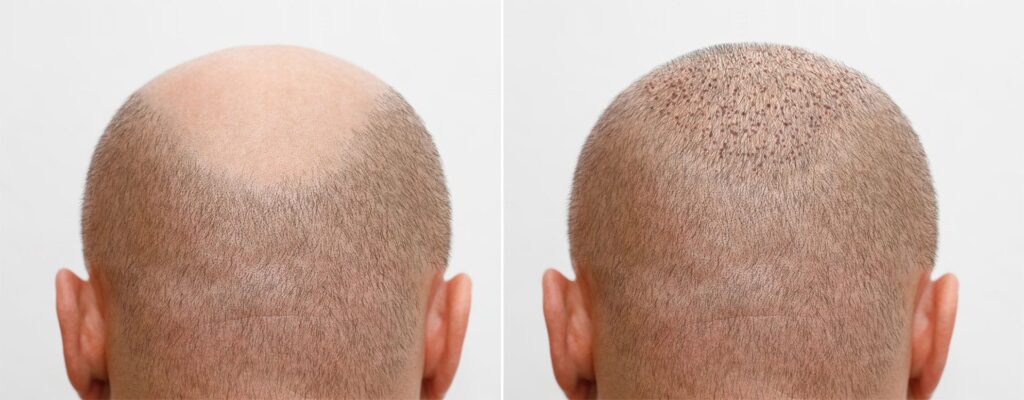
Recovery and Results
Types of Hair Transplant Techniques
Follicular Unit Extraction (FUE):
Individual hair follicles are harvested from the donor area and implanted into thinning or balding areas, leaving minimal visible scarring.Follicular Unit Transplantation (FUT):
A strip of scalp is removed from the donor site, dissected into follicular units, and transplanted—ideal for patients requiring a higher number of grafts.Direct Hair Implantation (DHI):
A specialized implanter pen extracts and places follicles directly, reducing the time grafts spend outside the body for potentially improved survival.Sapphire FUE:
Uses ultra-sharp sapphire blades to create recipient sites, offering more precision, faster healing, and potentially denser packing.Facial Hair Restoration:
Techniques adapted for transplanting hair to the beard, mustache, or eyebrows, ensuring natural direction and density.
Radiant Skin, Confident You
Experience the perfect blend of medical expertise and aesthetic innovation at our advanced Skin & Aesthetic Clinic. From rejuvenating facials to laser and anti-aging therapies, we deliver safe, effective, and affordable treatments that enhance your natural beauty with lasting confidence.
Frequently Asked Questions
You may be a good candidate if you have sufficient donor hair, realistic expectations, and hair loss that is stable. A consultation will help determine your suitability.
The procedure is performed under local anesthesia, so you’ll feel minimal discomfort. Mild soreness or tightness may occur afterward but is typically manageable.
Transplanted hair is generally permanent, as it’s resistant to the hormone that causes hair loss. Results continue to improve over 12–18 months.
Yes, when performed by an experienced surgeon using advanced techniques, the results blend seamlessly with your existing hair.
The number depends on the extent of hair loss, hair density, and your aesthetic goals. An evaluation will provide a tailored estimate.