
Gynecomastia Surgery
What is Gynecomastia?
The Gynecomastia Procedure
Comprehensive consultation to evaluate the cause and extent of breast tissue enlargement
Personalized surgical plan tailored to your anatomy and aesthetic goals
Procedure performed under general anesthesia or local anesthesia with sedation
Techniques may include liposuction, glandular excision, or a combination of both
Strategically placed incisions to minimize visible scarring
Typically performed as an outpatient procedure with same-day discharge
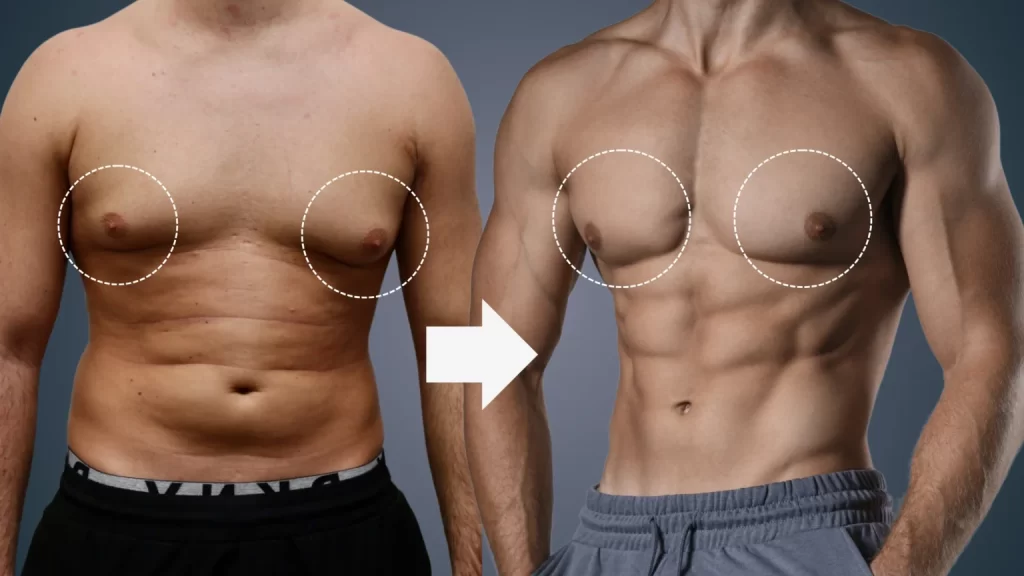
Recovery and Expected Results
Radiant Skin, Confident You
Experience the perfect blend of medical expertise and aesthetic innovation at our advanced Skin & Aesthetic Clinic. From rejuvenating facials to laser and anti-aging therapies, we deliver safe, effective, and affordable treatments that enhance your natural beauty with lasting confidence.
Frequently Asked Questions
You may be a good candidate if you have enlarged male breast tissue that persists despite weight loss or medical management. Ideal candidates are healthy, non-smokers, and have realistic expectations about the outcome.
In most cases, gynecomastia does not return after surgical removal of glandular tissue and/or fat. However, recurrence is possible if the underlying cause—such as hormone imbalance, medication use, or weight gain—is not addressed.
Incisions are typically small and placed in discreet areas such as around the areola or within natural chest contours. Scarring is generally minimal and fades significantly over time with proper care.
Coverage varies depending on the severity of the condition and your insurance provider. Some plans may cover the procedure if it’s deemed medically necessary. A consultation and documentation of symptoms are usually required for submission.