
Breast Augmentation
What is Breast Augmentation?
The Breast Augmentation Procedure
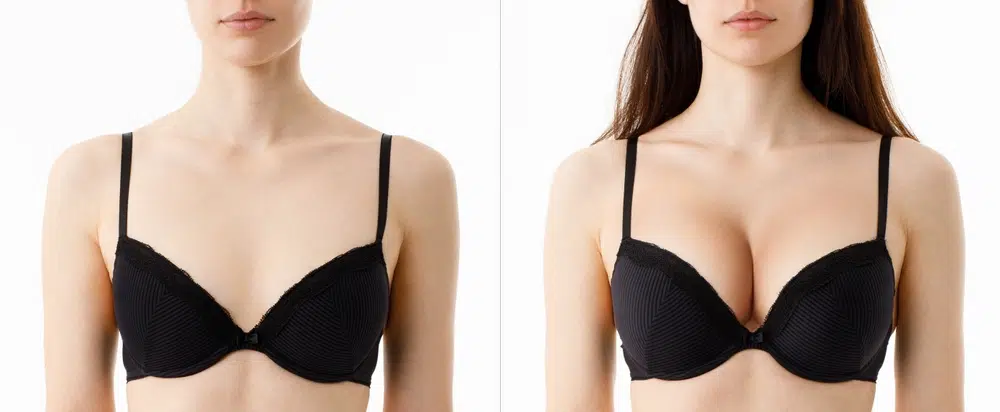
Recovery and Results
Types of Breast Implants
Our board-certified plastic surgeon offers a range of breast implant options, allowing for personalized treatment based on your body type, lifestyle, and aesthetic preferences. Each implant type is thoroughly discussed during your consultation to help you make an informed choice:
Saline Implants
Filled with sterile salt water, these implants offer a uniform shape and firmness. In the event of a rupture, the body naturally absorbs the saline.Silicone Implants
These implants contain silicone gel that mimics the natural feel of breast tissue, making them a popular choice for a more natural look and texture.Gummy Bear Implants
Also known as cohesive gel or form-stable implants, these maintain their shape even if the outer shell is compromised, offering durability and a natural contour.Round Implants
Ideal for those seeking fullness in the upper pole of the breast, round implants often provide a more pronounced lift and volume.Anatomical (Teardrop) Implants
Shaped to follow the natural slope of the breast, these implants offer a more subtle, natural appearance and are often chosen for a refined silhouette.
Radiant Skin, Confident You
Experience the perfect blend of medical expertise and aesthetic innovation at our advanced Skin & Aesthetic Clinic. From rejuvenating facials to laser and anti-aging therapies, we deliver safe, effective, and affordable treatments that enhance your natural beauty with lasting confidence.
Frequently Asked Questions
You may be a good candidate if you are in good overall health, have fully developed breasts, and are seeking to enhance breast size, shape, or symmetry. Realistic expectations and a clear understanding of the procedure are also essential.
Breast implants are not considered lifetime devices. On average, they last 10 to 20 years, but many patients enjoy long-lasting results. Regular follow-ups and imaging can help monitor implant integrity over time.
Most women retain the ability to breastfeed after breast augmentation, especially if the implants are placed under the muscle and the nipple and milk ducts remain unaffected. However, outcomes can vary depending on surgical technique and individual anatomy.
As with any surgery, there are potential risks including infection, implant rupture, capsular contracture (scar tissue around the implant), changes in nipple sensation, and the need for revision surgery. These risks will be discussed in detail during your consultation.